Не попадитесь на накрученные каналы! Узнайте, не накручивает ли канал просмотры или
подписчиков
Проверить канал на накрутку


Телеграм канал «Бэкдор»
#133

Бэкдор
32.1K
0
44.1K
25.9K
13.6M
Не заходи без шапочки из фольги и пары надежных проксей. Интернет, уязвимости, полезные сервисы и IT-безопасность.
Сотрудничество: @holartem
Канал включён в перечень РКН: https://rkn.link/FLO
Сотрудничество: @holartem
Канал включён в перечень РКН: https://rkn.link/FLO
Подписчики
Всего
1 556 903
Сегодня
-466
Просмотров на пост
Всего
58 461
ER
Общий
3.75%
Суточный
3.38%
Динамика публикаций

Telemetr - сервис глубокой аналитики
телеграм-каналов
телеграм-каналов

Получите подробную информацию о каждом канале
Отберите самые эффективные каналы для
рекламных размещений, по приросту подписчиков,
ER, количеству просмотров на пост и другим метрикам
рекламных размещений, по приросту подписчиков,
ER, количеству просмотров на пост и другим метрикам

Анализируйте рекламные посты
и креативы
и креативы
Узнайте какие посты лучше сработали,
а какие хуже, даже если их давно удалили
а какие хуже, даже если их давно удалили

Оценивайте эффективность тематики и контента
Узнайте, какую тематику лучше не рекламировать
на канале, а какая зайдет на ура
на канале, а какая зайдет на ура

Показано 7 из 32 057 постов
Смотреть все посты
Пост от 26.10.2026 12:16
5 739
0
168
⚡️ Apple дропнет сенсорный (!) MacBook Pro уже послезавтра — Bloomberg раскрыл первые подробности мощной новинки:
• Две модели: с экраном на 14 дюймов, чипом M5 Pro и на 16 дюймов и чипом M5 Max.
• Вместо чёлки могут добавить Dynamic Island, как на всех новых Айфонах.
• Сенсорное управление станет дополнением к привычным тачпаду и клавиатуре.
• Также Apple готовит новый iMac, а ещё бюджетный MacBook Pro с чипом M6 и новый iPad mini.
Готовьте почку: предварительные цены — 240 000 рублей за 14 дюймов и 280 000 рублей за 16 дюймов.
👍 Бэкдор
• Две модели: с экраном на 14 дюймов, чипом M5 Pro и на 16 дюймов и чипом M5 Max.
• Вместо чёлки могут добавить Dynamic Island, как на всех новых Айфонах.
• Сенсорное управление станет дополнением к привычным тачпаду и клавиатуре.
• Также Apple готовит новый iMac, а ещё бюджетный MacBook Pro с чипом M6 и новый iPad mini.
Готовьте почку: предварительные цены — 240 000 рублей за 14 дюймов и 280 000 рублей за 16 дюймов.
👍 Бэкдор

🔥
18
👀
8
Пост от 26.10.2026 10:50
3 656
0
212
Идеальную кепку для вайбкодеров с Claude придумал российский дизайнер — стоит она 4500 рублей.
Вы знаете, кому подарить такую.
👍 Бэкдор
Вы знаете, кому подарить такую.
👍 Бэкдор

😁
34
🔥
13
Пост от 26.10.2026 09:19
5 375
0
291
Юзаем все топовые нейронки в одном окне — нашли сервис, который объединил ChatGPT, Claude, Gemini, Llama, DeepSeek и другие мощные модели.
• Самое крутое: вы сможете получать результаты от разных моделей и сравнивать их в режиме одного окна.
• Можно работать сразу с текстом, файлами, кодом, видео, изображениями и другими данными.
• Сервис понимает русский язык. Можете писать запросы на нем.
😶😶😶😶😶😶😶😶😶
Юзаем имбу — тут.
👍 Бэкдор
• Самое крутое: вы сможете получать результаты от разных моделей и сравнивать их в режиме одного окна.
• Можно работать сразу с текстом, файлами, кодом, видео, изображениями и другими данными.
• Сервис понимает русский язык. Можете писать запросы на нем.
😶😶😶😶😶😶😶😶😶
Юзаем имбу — тут.
👍 Бэкдор

👀
13
🔥
6
Пост от 26.10.2026 00:50
8 615
0
885
⚡️ Поднимаем своего ИИ-агента, которого невозможно забанить или ограничить вам доступ — вайбкодер выкатил полный гайд с нуля: от выбора клиента до провайдера, личного сервера и даже общения голосом.
1️⃣ За основу берём Hermes Agent, он самый простой и самый действенный, а работает со многими ИИ.
2️⃣ Хостить будем на Oracle, у них есть бесплатный тир, где дают сервер на 2 ядра и 12 ОЗУ навсегда.
3️⃣ ИИ возьмём DeepSeek-V4.1-Flash-1017, самый мощный и самый дешёвый, но получим его вообще бесплатно.
4️⃣ Халявно лутаем токены для ИИ через Console River AI, нужна регистрация и привязанная карта. Можно и любой другой сервис.
5️⃣ Подключаем бота в Телеграм для удобства, бота делаем через Bot Father, где получаем ключ и вставляем его в настройки канала общения.
6️⃣ Делаем голосовое общение с ботом через Groq, там можно дать голос ИИ бесплатно через OpenAI Whisper.
7️⃣ И ещё важный этап — добавляем боту веб-поиск через Exa, у сервиса буквально нет конкурентов, а за регистрацию дают от 10$ до 20$.
Готово! Сохраняйте и делайте бота, которого не смогут ограничить OpenAI или Anthropic.
👍 Бэкдор
1️⃣ За основу берём Hermes Agent, он самый простой и самый действенный, а работает со многими ИИ.
2️⃣ Хостить будем на Oracle, у них есть бесплатный тир, где дают сервер на 2 ядра и 12 ОЗУ навсегда.
3️⃣ ИИ возьмём DeepSeek-V4.1-Flash-1017, самый мощный и самый дешёвый, но получим его вообще бесплатно.
4️⃣ Халявно лутаем токены для ИИ через Console River AI, нужна регистрация и привязанная карта. Можно и любой другой сервис.
5️⃣ Подключаем бота в Телеграм для удобства, бота делаем через Bot Father, где получаем ключ и вставляем его в настройки канала общения.
6️⃣ Делаем голосовое общение с ботом через Groq, там можно дать голос ИИ бесплатно через OpenAI Whisper.
7️⃣ И ещё важный этап — добавляем боту веб-поиск через Exa, у сервиса буквально нет конкурентов, а за регистрацию дают от 10$ до 20$.
Готово! Сохраняйте и делайте бота, которого не смогут ограничить OpenAI или Anthropic.
👍 Бэкдор

😁
42
🔥
13
Пост от 25.10.2026 21:11
14 267
0
554
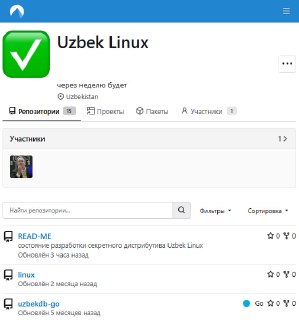
Linux изучен лишь на 3%
👍 Бэкдор
👍 Бэкдор
😁
200
🔥
25
👀
8
😢
2
Пост от 25.10.2026 19:47
2 248
0
80
NVIDIA выпустила RTX-Minecraft! Это первый качественный и официальный мод для Java-версии с лучшим визуалом на данный момент.
Что добавили:
• Освещение, тени и отражения на уровне реальной жизни.
• Улучшенные PBR-текстуры, которые меняют блоки и материалы.
• Редстоуну можно менять свет.
• Расширенные настройки графона и полную автоматическую установку всех компонентов.
• Главное: совместим со всеми модами.
Мод можно запустить на карточках RTX 30XX и новее.
Делаем кубань красивой — тут.
👍 Бэкдор
Что добавили:
• Освещение, тени и отражения на уровне реальной жизни.
• Улучшенные PBR-текстуры, которые меняют блоки и материалы.
• Редстоуну можно менять свет.
• Расширенные настройки графона и полную автоматическую установку всех компонентов.
• Главное: совместим со всеми модами.
Мод можно запустить на карточках RTX 30XX и новее.
Делаем кубань красивой — тут.
👍 Бэкдор

🔥
5
👀
2
😁
1
Пост от 25.10.2026 17:23
6 520
0
195
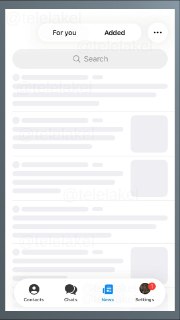
⚡️ В Телеграме всё-таки будет лента новостей — её нашли в бетке приложения.
Новости будут отдельной вкладкой, как на скрине: причём вы сами выбираете каналы, посты которых будут отображаться в единой ленте.
1️⃣ Каналы из вкладки «Новости» можно будет читать даже без подписки на них.
2️⃣ Второй вкладкой станет «Для вас» — это будет лента в духе ТикТока или Твиттера с алгоритмами.
👍 Бэкдор
Новости будут отдельной вкладкой, как на скрине: причём вы сами выбираете каналы, посты которых будут отображаться в единой ленте.
1️⃣ Каналы из вкладки «Новости» можно будет читать даже без подписки на них.
2️⃣ Второй вкладкой станет «Для вас» — это будет лента в духе ТикТока или Твиттера с алгоритмами.
👍 Бэкдор
🔥
96
😁
36
👀
10