Не попадитесь на накрученные каналы! Узнайте, не накручивает ли канал просмотры или
подписчиков
Проверить канал на накрутку


Телеграм канал «Tsegaye R Ararssa»
Подписчики
Всего
10 516
Сегодня
+1
Просмотров на пост
Всего
974
ER
Общий
9.27%
Суточный
5.56%
Динамика публикаций

Telemetr - сервис глубокой аналитики
телеграм-каналов
телеграм-каналов

Получите подробную информацию о каждом канале
Отберите самые эффективные каналы для
рекламных размещений, по приросту подписчиков,
ER, количеству просмотров на пост и другим метрикам
рекламных размещений, по приросту подписчиков,
ER, количеству просмотров на пост и другим метрикам

Анализируйте рекламные посты
и креативы
и креативы
Узнайте какие посты лучше сработали,
а какие хуже, даже если их давно удалили
а какие хуже, даже если их давно удалили

Оценивайте эффективность тематики и контента
Узнайте, какую тематику лучше не рекламировать
на канале, а какая зайдет на ура
на канале, а какая зайдет на ура

Показано 7 из 6 796 постов
Смотреть все посты
Пост от 26.10.2026 06:00
52
0
0
Criticize Abiy’s/Ethiopia’s imperial ambitions (in its pursuit of sovereign access over Eritrean ports) alright, but leave Oromummaa alone. Implicating Oromummaa in Ethiopia’s imperial fantasy is not just an error; it’s a deliberate attempt to ride on the regnant anti-Oromo prejudice to galvanise the Oromophobic sections of the Ethiopian society against the Oromo people. This is not just a tactical error; it is actually doing the same thing Abiy Ahmed and his imperial predecessors have been doing in their wars (and genocidal campaigns) against the Oromo people: to break Oromo resistance against settler colonial rule, break Oromo nationalism. To break Oromo nationalism, eliminate Oromummaa (Oromo identity).
The Oromo nation will forever fight anyone who seeks to eliminate its Oromo identity (Oromummaa). It will do the same to any Oromo who forms an alliance with forces targeting Oromummaa for attack in their wars against #Abiy.
#Fight_empire! #LeaveOromummaaAlone!
The Oromo nation will forever fight anyone who seeks to eliminate its Oromo identity (Oromummaa). It will do the same to any Oromo who forms an alliance with forces targeting Oromummaa for attack in their wars against #Abiy.
#Fight_empire! #LeaveOromummaaAlone!
Пост от 26.10.2026 04:16
12
0
0
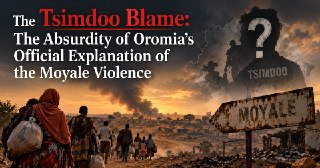
https://oromia.today/the-tsimdoo-blame-the-absurdity-of-oromias-official-explanation-of-the-moyale-violence/
The Tsimdoo Blame: The Absurdity of Oromia’s Official Explanation of the Moyale Violence
The Tsimdoo Blame: The Absurdity of Oromia’s Official Explanation of the Moyale Violence
Пост от 25.10.2026 09:15
54
0
1
OMN: Discussion
On the root causes of the current situation in Moyale and its solution
On the importance of unity within Oromo camp, and the negative impacts of Ximdoo
https://m.youtube.com/watch?v=6qDnkZaKsKQ&pp=0gcJCSwMAYcqIYzv
On the root causes of the current situation in Moyale and its solution
On the importance of unity within Oromo camp, and the negative impacts of Ximdoo
https://m.youtube.com/watch?v=6qDnkZaKsKQ&pp=0gcJCSwMAYcqIYzv
Пост от 24.10.2026 17:09
105
0
0
#ASReport
Families fleeing #Moyale clashes appeal for urgent aid in Kenya, estimates suggesting up to 10,000 displaced
families who fled the ongoing clashes in #Ethiopia’s #Moyale are appealing for urgent humanitarian assistance after crossing into Kenya with few belongings.
In a video report by Butiye Online TV, displaced people describe their plight and call for help as they struggle to find safety, shelter, food and other basic necessities. Initial estimates by the displaced people themselves suggest that up to 10,000 people, mostly women and children, have fled across the border.
The displacement follows escalating territorial and administrative dispute between Ethiopia’s Oromia and Somali regional states, which erupted into armed clashes on 22 October, with reports of heavy gunfire and homes and businesses burned.
Unconfirmed reports indicate multiple casualties from the ongoing conflict.
The Kenya Red Cross Society has launched an emergency response to provide temporary shelter, food, safe water, medical assistance and other essential support to affected families.
The Kenya Red Cross Society has launched an emergency response to provide temporary shelter, food, safe water, medical assistance and other essential support to affected families.
https://x.com/addisstandard/status/2113926810396197330?s=12
Families fleeing #Moyale clashes appeal for urgent aid in Kenya, estimates suggesting up to 10,000 displaced
families who fled the ongoing clashes in #Ethiopia’s #Moyale are appealing for urgent humanitarian assistance after crossing into Kenya with few belongings.
In a video report by Butiye Online TV, displaced people describe their plight and call for help as they struggle to find safety, shelter, food and other basic necessities. Initial estimates by the displaced people themselves suggest that up to 10,000 people, mostly women and children, have fled across the border.
The displacement follows escalating territorial and administrative dispute between Ethiopia’s Oromia and Somali regional states, which erupted into armed clashes on 22 October, with reports of heavy gunfire and homes and businesses burned.
Unconfirmed reports indicate multiple casualties from the ongoing conflict.
The Kenya Red Cross Society has launched an emergency response to provide temporary shelter, food, safe water, medical assistance and other essential support to affected families.
The Kenya Red Cross Society has launched an emergency response to provide temporary shelter, food, safe water, medical assistance and other essential support to affected families.
https://x.com/addisstandard/status/2113926810396197330?s=12
Пост от 24.10.2026 17:09
103
0
0
https://x.com/addisstandard/status/2113926810396197330?s=12
Пост от 24.10.2026 12:16
26
0
0
https://youtube.com/shorts/9XyW9JLCKec?si=kUDgSSxsSI4p0ojR
Пост от 24.10.2026 08:23
41
0
0
https://oromia.today/shame-on-you-shimelis-abdissa-shame-on-you-caffee-oromiyaa-again/
Shame on You, Shimelis Abdissa. Shame on You, Caffee Oromiyaa. Again.
Shame on You, Shimelis Abdissa. Shame on You, Caffee Oromiyaa. Again.