Не попадитесь на накрученные каналы! Узнайте, не накручивает ли канал просмотры или
подписчиков
Проверить канал на накрутку


Телеграм канал «Translated Russian News»
Translated Russian News
31.3K
20.3K
2.5K
1.8K
121.8K
🇷🇺 TRN - Russian Telegram, translated & explained. Briefly.
🌍 News, trends, and viral posts as seen in Russian Telegram.
🔗 Links to original Russian sources.
📩 Contact via DM
🌍 News, trends, and viral posts as seen in Russian Telegram.
🔗 Links to original Russian sources.
📩 Contact via DM
Подписчики
Всего
7 515
Сегодня
0
Просмотров на пост
Всего
573
ER
Общий
7.63%
Суточный
7.05%
Динамика публикаций

Telemetr - сервис глубокой аналитики
телеграм-каналов
телеграм-каналов

Получите подробную информацию о каждом канале
Отберите самые эффективные каналы для
рекламных размещений, по приросту подписчиков,
ER, количеству просмотров на пост и другим метрикам
рекламных размещений, по приросту подписчиков,
ER, количеству просмотров на пост и другим метрикам

Анализируйте рекламные посты
и креативы
и креативы
Узнайте какие посты лучше сработали,
а какие хуже, даже если их давно удалили
а какие хуже, даже если их давно удалили

Оценивайте эффективность тематики и контента
Узнайте, какую тематику лучше не рекламировать
на канале, а какая зайдет на ура
на канале, а какая зайдет на ура
Показано 7 из 31 282 постов
Смотреть все посты
Пост от 26.10.2026 07:30
26
0
1
💀 Latest news from the world of the living:
— War with Iran seems to be back on the agenda.
— Wow! I need to come back to see this!
— Looks like things are heading toward nuclear weapons being used.
— Please! I can’t miss this!
— Pornhub now has three times as many videos featuring gay men. And they’re all free.
— Ooooh! Get me Wi-Fi down here!
— But that’s not all.
— There’s more?
— Netanyahu has given the green light to the Greater Israel project.
— WHYYYY?! WHY DOES EVERYTHING ALWAYS HAPPEN WITHOUT ME?!
Original Post
Follow TRN 👈
— War with Iran seems to be back on the agenda.
— Wow! I need to come back to see this!
— Looks like things are heading toward nuclear weapons being used.
— Please! I can’t miss this!
— Pornhub now has three times as many videos featuring gay men. And they’re all free.
— Ooooh! Get me Wi-Fi down here!
— But that’s not all.
— There’s more?
— Netanyahu has given the green light to the Greater Israel project.
— WHYYYY?! WHY DOES EVERYTHING ALWAYS HAPPEN WITHOUT ME?!
Original Post
Follow TRN 👈

😁
2
Пост от 26.10.2026 06:29
24
0
0
🇧🇷 Rocinha, located in Rio de Janeiro, is Brazil’s largest hillside favela.
🏘️ According to unofficial estimates, around 200,000 people live in this densely populated community.
r/#interestingasfuck
Original Post
Follow TRN 👈
🏘️ According to unofficial estimates, around 200,000 people live in this densely populated community.
r/#interestingasfuck
Original Post
Follow TRN 👈

🤯
1
😢
1
Пост от 26.10.2026 05:28
46
0
0
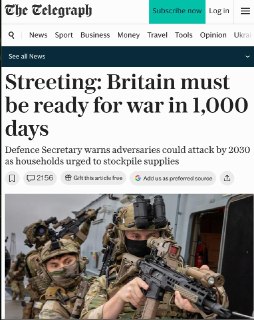
🇬🇧 Britain must prepare for war within the next 1,000 days.
⚠️ UK minister Wes Streeting made the warning in an article for The Daily Telegraph, without specifying whom Britain might have to fight.
🗣️ “Our adversaries’ desire to harm us is nothing new. But their capabilities have changed. By 2030, their military and economic power could enable them to attack. We have just over 1,000 days to complete our mission: to be ready to fight and win alongside our allies.”
🏭 Streeting warned that Britain’s rivals are modernizing at breakneck speed, urging the UK and NATO to rebuild their industrial base and outperform adversaries in innovation.
🎒 Earlier, British citizens were advised to keep emergency supplies of food, water, medicine, and chargers at home in case of war or other emergencies.
#Britain #War #Media
Original Post
Follow TRN 👈
⚠️ UK minister Wes Streeting made the warning in an article for The Daily Telegraph, without specifying whom Britain might have to fight.
🗣️ “Our adversaries’ desire to harm us is nothing new. But their capabilities have changed. By 2030, their military and economic power could enable them to attack. We have just over 1,000 days to complete our mission: to be ready to fight and win alongside our allies.”
🏭 Streeting warned that Britain’s rivals are modernizing at breakneck speed, urging the UK and NATO to rebuild their industrial base and outperform adversaries in innovation.
🎒 Earlier, British citizens were advised to keep emergency supplies of food, water, medicine, and chargers at home in case of war or other emergencies.
#Britain #War #Media
Original Post
Follow TRN 👈
🤣
1
Пост от 26.10.2026 04:27
22
0
0
🗣️ Elon Musk compared his critics to Lavrenty Beria, Stalin’s notorious secret police chief.
🇷🇺 Musk cited a quote attributed to Beria:
“Show me the man, and I’ll find you the crime.”
Original Post
Follow TRN 👈
🇷🇺 Musk cited a quote attributed to Beria:
“Show me the man, and I’ll find you the crime.”
Original Post
Follow TRN 👈

😁
2
Пост от 26.10.2026 03:26
67
0
1
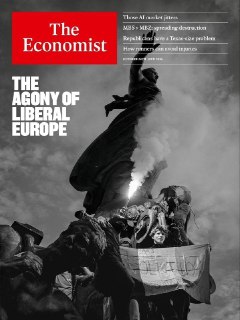
📰 The latest issue of the influential magazine The Economist features a cover titled “The Agony of Liberal Europe.”
Original Post
Follow TRN 👈
Original Post
Follow TRN 👈
Пост от 26.10.2026 02:26
40
2
2
😂 A Gen Z guy from Krasnodar got a job at a warehouse and, on his very first day, couldn’t figure out how to use… a pallet jack.
Original Post
Follow TRN 👈
Original Post
Follow TRN 👈

🤣
1
Пост от 26.10.2026 01:25
23
0
3
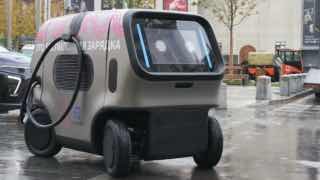
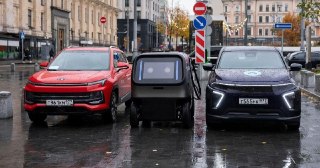
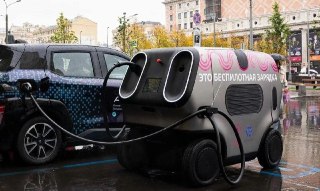
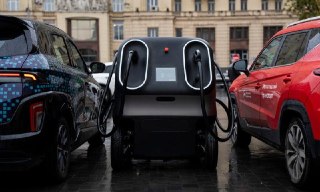
🇷🇺 Self-driving mobile EV chargers are coming to Moscow! ⚡
🚗 These autonomous charging stations will drive directly to electric vehicles on demand, eliminating the need to find a charging point.
🔋 Each mobile unit has enough battery capacity to charge two electric cars, delivering up to 90% charge in approximately 30 minutes.
🤖 Once finished, the power bank on wheels either returns to its base for recharging or heads to the next customer.
📍 One unit is already being tested at Triumfalnaya Square in Moscow, although it’s currently operated by a human.
Follow TRN 👈
🚗 These autonomous charging stations will drive directly to electric vehicles on demand, eliminating the need to find a charging point.
🔋 Each mobile unit has enough battery capacity to charge two electric cars, delivering up to 90% charge in approximately 30 minutes.
🤖 Once finished, the power bank on wheels either returns to its base for recharging or heads to the next customer.
📍 One unit is already being tested at Triumfalnaya Square in Moscow, although it’s currently operated by a human.
Follow TRN 👈