Не попадитесь на накрученные каналы! Узнайте, не накручивает ли канал просмотры или
подписчиков
Проверить канал на накрутку


Телеграм канал «Translated Russian News»
Translated Russian News
31.3K
20.3K
2.4K
1.8K
121.8K
🇷🇺 TRN - Russian Telegram, translated & explained. Briefly.
🌍 News, trends, and viral posts as seen in Russian Telegram.
🔗 Links to original Russian sources.
📩 Contact via DM
🌍 News, trends, and viral posts as seen in Russian Telegram.
🔗 Links to original Russian sources.
📩 Contact via DM
Подписчики
Всего
7 513
Сегодня
0
Просмотров на пост
Всего
563
ER
Общий
7.5%
Суточный
6.89%
Динамика публикаций

Telemetr - сервис глубокой аналитики
телеграм-каналов
телеграм-каналов

Получите подробную информацию о каждом канале
Отберите самые эффективные каналы для
рекламных размещений, по приросту подписчиков,
ER, количеству просмотров на пост и другим метрикам
рекламных размещений, по приросту подписчиков,
ER, количеству просмотров на пост и другим метрикам

Анализируйте рекламные посты
и креативы
и креативы
Узнайте какие посты лучше сработали,
а какие хуже, даже если их давно удалили
а какие хуже, даже если их давно удалили

Оценивайте эффективность тематики и контента
Узнайте, какую тематику лучше не рекламировать
на канале, а какая зайдет на ура
на канале, а какая зайдет на ура
Показано 7 из 31 257 постов
Смотреть все посты
Пост от 25.10.2026 19:15
36
0
1
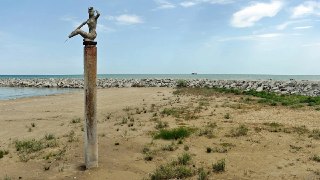
🌊 Russia’s Dagestan has suddenly grown larger — thanks to the shrinking Caspian Sea.
🏝️ Islands such as Yaichny, Chechen, Pichuzhonok, Bazar, and Prygunki have already become connected to the mainland as water levels continue to fall.
🚗 These former islands can now even be reached by car!
📏 According to geologists, Dagestan’s land area has increased from 50,300 km² to approximately 52,000–53,000 km².
Original Post
Follow TRN 👈
🏝️ Islands such as Yaichny, Chechen, Pichuzhonok, Bazar, and Prygunki have already become connected to the mainland as water levels continue to fall.
🚗 These former islands can now even be reached by car!
📏 According to geologists, Dagestan’s land area has increased from 50,300 km² to approximately 52,000–53,000 km².
Original Post
Follow TRN 👈
👍
1
👎
1
Пост от 25.10.2026 17:53
62
0
0
🚗 Rostec CEO Sergey Chemezov test-drives the new LADA Azimut crossover through Moscow.
🇷🇺 Chemezov praised the vehicle’s comfort, visibility, suspension, handling, and driving position.
💬 “It’s very comfortable. The visibility is good, the suspension works well, and it’s pleasant to drive.”
❄️ He was particularly impressed by the heated front-door windows, designed to prevent fogging and icing in winter.
🏭 Rostec is a shareholder in AVTOVAZ, and Chemezov praised the automaker’s efforts to introduce new Russian-made vehicles.
🗣️ “This work must not stop. The design bureau must operate continuously. We need to keep creating new vehicles and putting new models into production — otherwise, we’ll simply lose the market.”
Original Post
Follow TRN 👈
🇷🇺 Chemezov praised the vehicle’s comfort, visibility, suspension, handling, and driving position.
💬 “It’s very comfortable. The visibility is good, the suspension works well, and it’s pleasant to drive.”
❄️ He was particularly impressed by the heated front-door windows, designed to prevent fogging and icing in winter.
🏭 Rostec is a shareholder in AVTOVAZ, and Chemezov praised the automaker’s efforts to introduce new Russian-made vehicles.
🗣️ “This work must not stop. The design bureau must operate continuously. We need to keep creating new vehicles and putting new models into production — otherwise, we’ll simply lose the market.”
Original Post
Follow TRN 👈

❤
2
Пост от 25.10.2026 16:54
19
0
1
🇺🇦 Zelensky complained that Russia wants to take “half of Ukraine.”
⚠️ He claimed that ceding Donbass would open the way for Russian forces to advance toward Dnepr, Pavlograd, Krivoy Rog, and other Ukrainian cities.
🏭 Zelensky stressed that the region is strategically vital to Ukraine’s defense and economy.
Original Post
Follow TRN 👈
⚠️ He claimed that ceding Donbass would open the way for Russian forces to advance toward Dnepr, Pavlograd, Krivoy Rog, and other Ukrainian cities.
🏭 Zelensky stressed that the region is strategically vital to Ukraine’s defense and economy.
Original Post
Follow TRN 👈
😁
1
Пост от 25.10.2026 15:53
36
0
0
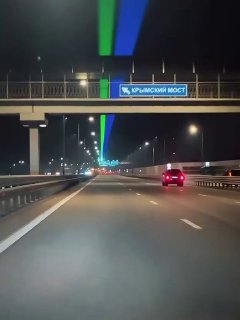
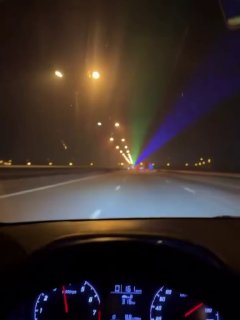
🚦 Anti-drowsiness lasers have arrived in Russia!
🌈 Colorful laser beams have appeared above the M-4 Don Highway near Krasnodar, at kilometer 1319.
💤 The system is designed to keep drivers alert and prevent them from falling asleep at the wheel, with a range of over 3 kilometers.
🇨🇳🇧🇾 Similar technology has already been seen in China and Belarus — and now it’s Russia’s turn.
🤔 What do you think?
Follow TRN 👈
🌈 Colorful laser beams have appeared above the M-4 Don Highway near Krasnodar, at kilometer 1319.
💤 The system is designed to keep drivers alert and prevent them from falling asleep at the wheel, with a range of over 3 kilometers.
🇨🇳🇧🇾 Similar technology has already been seen in China and Belarus — and now it’s Russia’s turn.
🤔 What do you think?
Follow TRN 👈
👍
1
Пост от 25.10.2026 15:44
173
0
0
❗️Organizational preparations for the trilateral summit of Putin, Xi Jinping and Trump have already begun - Ushakov
Original Post
Follow TRN 👈
Original Post
Follow TRN 👈
Пост от 25.10.2026 14:40
15
0
0
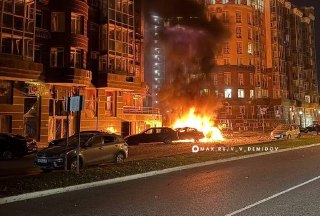
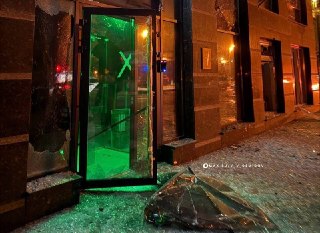
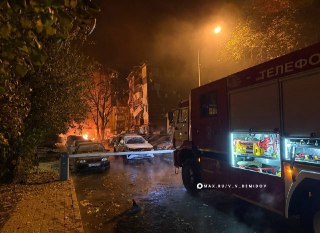
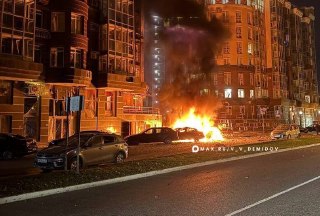
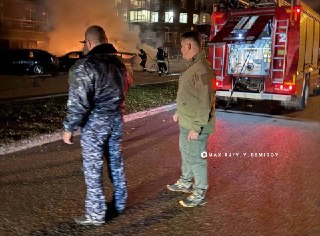
🚨 The number of people injured in the overnight attack on Belgorod has risen to 14, Governor Alexander Shuvayev reported.
🏙️ According to the regional governor, the attack damaged:
• 30 apartment buildings and 4 private houses
• 35 vehicles
• 3 administrative buildings
• 8 commercial properties
• 3 public facilities
📷 max/v_v_demidov
Original Post
Follow TRN 👈
🏙️ According to the regional governor, the attack damaged:
• 30 apartment buildings and 4 private houses
• 35 vehicles
• 3 administrative buildings
• 8 commercial properties
• 3 public facilities
📷 max/v_v_demidov
Original Post
Follow TRN 👈
🤬
1
Пост от 25.10.2026 13:35
37
0
0
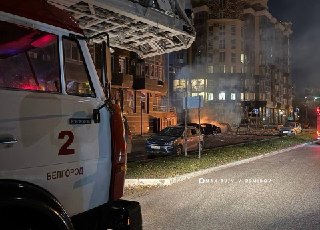
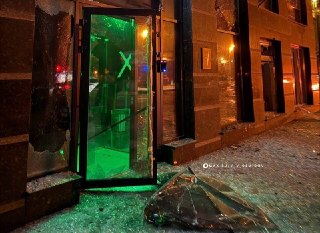
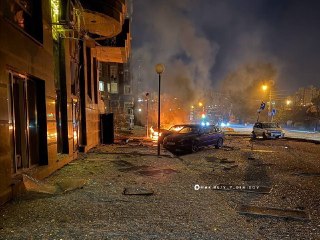
🚨 Significant damage reported in central Belgorod following a massive drone attack, according to the city’s mayor.
🏙️ Vehicles, public facilities, commercial properties, and residential buildings were damaged in the attack.
🚒 Emergency services are working at the affected sites.
Original Post
Follow TRN 👈
🏙️ Vehicles, public facilities, commercial properties, and residential buildings were damaged in the attack.
🚒 Emergency services are working at the affected sites.
Original Post
Follow TRN 👈
🙏
3