Не попадитесь на накрученные каналы! Узнайте, не накручивает ли канал просмотры или
подписчиков
Проверить канал на накрутку


Телеграм канал «The Meme Times»
#75

The Meme Times
1.9K
0
125
15
3.8M
Подписчики
Всего
2 355 336
Сегодня
-1 010
Просмотров на пост
Всего
1 506
ER
Общий
0.06%
Динамика публикаций

Telemetr - сервис глубокой аналитики
телеграм-каналов
телеграм-каналов

Получите подробную информацию о каждом канале
Отберите самые эффективные каналы для
рекламных размещений, по приросту подписчиков,
ER, количеству просмотров на пост и другим метрикам
рекламных размещений, по приросту подписчиков,
ER, количеству просмотров на пост и другим метрикам

Анализируйте рекламные посты
и креативы
и креативы
Узнайте какие посты лучше сработали,
а какие хуже, даже если их давно удалили
а какие хуже, даже если их давно удалили

Оценивайте эффективность тематики и контента
Узнайте, какую тематику лучше не рекламировать
на канале, а какая зайдет на ура
на канале, а какая зайдет на ура
Показано 7 из 1 905 постов
Смотреть все посты
Пост от 24.10.2026 21:00
209
0
0
Your Golden Strike Awaits ⛏️💎
Minibet Games
Head deep into Home of Gold 2: Hold to Win, where every spin takes you closer to hidden riches. Trigger the Bonus Game and watch BONUS symbols slide onto the reels, adding collected wins as you dig toward one of 5 in-game jackpots.
Dig for Gold
Ad. 18+
Minibet Games
Head deep into Home of Gold 2: Hold to Win, where every spin takes you closer to hidden riches. Trigger the Bonus Game and watch BONUS symbols slide onto the reels, adding collected wins as you dig toward one of 5 in-game jackpots.
Dig for Gold
Ad. 18+

Пост от 24.10.2026 15:00
857
0
0
EZRA CAPITAL FX LIVE 🚀
Ezra Fx
💸 Join Ezra Capital FX Live! 📈 Get Forex insights, market analysis and trading strategies. Learn, grow your skills and trade smarter! 🚀
Ad. 18+
Ezra Fx
💸 Join Ezra Capital FX Live! 📈 Get Forex insights, market analysis and trading strategies. Learn, grow your skills and trade smarter! 🚀
Ad. 18+

Пост от 23.10.2026 06:00
966
0
0
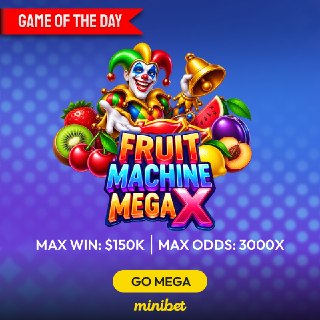
The Classic Fruit Machine Just Went Mega 🍒🍋⚡
Minibet Games
The legendary fruit-machine spirit is back with a bigger twist. In Fruit Machine: Mega X, winning symbols trigger the Rockfall Feature, creating cascading chances to win, while 3 or more Multipliers can merge into one powerful boost.
Go Mega
Ad. 18+
Minibet Games
The legendary fruit-machine spirit is back with a bigger twist. In Fruit Machine: Mega X, winning symbols trigger the Rockfall Feature, creating cascading chances to win, while 3 or more Multipliers can merge into one powerful boost.
Go Mega
Ad. 18+
Пост от 21.10.2026 21:00
1 374
0
0
Your Sweetest Spin is Calling 🍭🍬
Minibet Games
Enter Candy's Bonanza, a sugar-coated world packed with colorful treats, bonus rounds, and Free Spins. With 97.23% RTP and a massive 21,100x Max Odds, this candy rush comes with some seriously sweet possibilities.
Get Your Sweet Fix
Ad. 18+
Minibet Games
Enter Candy's Bonanza, a sugar-coated world packed with colorful treats, bonus rounds, and Free Spins. With 97.23% RTP and a massive 21,100x Max Odds, this candy rush comes with some seriously sweet possibilities.
Get Your Sweet Fix
Ad. 18+

Пост от 21.10.2026 06:00
961
0
0
Try VymoPay - Payments.Swaps.AMP.
VymoPay Wallet.
No KYC. No lengthy registration. Receive payments and manage your funds directly in VymoPay wallet.
Ad. 18+
VymoPay Wallet.
No KYC. No lengthy registration. Receive payments and manage your funds directly in VymoPay wallet.
Ad. 18+

Пост от 19.10.2026 21:00
1 102
0
0
Let the Lucky Coins Stack Up 💎🪙
Minibet Games
Step into 40 Diamond Tree Lucky Coin, where Diamond Tree Wilds grow across the reels and locked Coins can turn Free Spins into a jackpot chase. Trigger the Lucky Coin Jackpot Feature and keep the Coins spinning for a chance to fill the screen with valuable rewards.
Chase the Lucky Coins
Ad. 18+
Minibet Games
Step into 40 Diamond Tree Lucky Coin, where Diamond Tree Wilds grow across the reels and locked Coins can turn Free Spins into a jackpot chase. Trigger the Lucky Coin Jackpot Feature and keep the Coins spinning for a chance to fill the screen with valuable rewards.
Chase the Lucky Coins
Ad. 18+

Пост от 17.10.2026 21:00
782
0
0
Where Passion Meets Power ❤️🔥
Minibet Games
Step into Gates of Love, a high-volatility adventure where passion and feminine power take center stage. Match 8 or more symbols to trigger wins, with cascading reels, powerful multipliers, and Free Spins keeping the action flowing.
Enter the Gates of Love
Ad. 18+
Minibet Games
Step into Gates of Love, a high-volatility adventure where passion and feminine power take center stage. Match 8 or more symbols to trigger wins, with cascading reels, powerful multipliers, and Free Spins keeping the action flowing.
Enter the Gates of Love
Ad. 18+