Не попадитесь на накрученные каналы! Узнайте, не накручивает ли канал просмотры или
подписчиков
Проверить канал на накрутку


Телеграм канал «on product»

Подписчики
Всего
895
Сегодня
0
Просмотров на пост
Всего
185
ER
Общий
20.67%
Суточный
16.31%
Динамика публикаций

Telemetr - сервис глубокой аналитики
телеграм-каналов
телеграм-каналов

Получите подробную информацию о каждом канале
Отберите самые эффективные каналы для
рекламных размещений, по приросту подписчиков,
ER, количеству просмотров на пост и другим метрикам
рекламных размещений, по приросту подписчиков,
ER, количеству просмотров на пост и другим метрикам

Анализируйте рекламные посты
и креативы
и креативы
Узнайте какие посты лучше сработали,
а какие хуже, даже если их давно удалили
а какие хуже, даже если их давно удалили

Оценивайте эффективность тематики и контента
Узнайте, какую тематику лучше не рекламировать
на канале, а какая зайдет на ура
на канале, а какая зайдет на ура

Показано 7 из 7 492 постов
Смотреть все посты
Пост от 23.10.2026 00:41
28
0
0
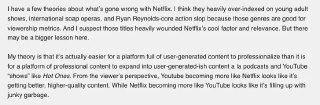
https://x.com/broderick/status/2113340129435582630
Пост от 21.10.2026 23:57
31
0
0
🖤

Пост от 21.10.2026 23:43
57
0
1
Нравится тейк, что по дефолту AI design это хрущёвки, но с насмотренностью с ним можно перепробовать кучу новых вещей: https://youtu.be/GLvFTMtw4Jk

Пост от 17.10.2026 20:45
87
0
2
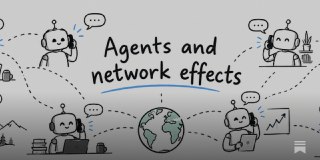
> The new wave of products - Muse, Town, Instinct, Grokbot, etc - come from taking the power and magic of Openclaw/Hermes but wrapping it in polished, secure, consumer-friendly. (...) Thousands of startups that have been working on vertical agents in X (travel, shopping, family, work, SMB, etc etc) have big existential questions to answer.
> These agents are tools, not networks. They inherently provide a solo experience. (...) They’re more like email clients - I can use Superhuman and someone else uses Outlook and someone else is on Gmail. (...) Further, you can swap out the underlying LLM. (...) The memory and underlying context are just text files.
> In the pre-AI world, [network effects] were driven [by] sending an invite, sharing a piece of content, or getting mentioned. (...) An agent might suggest, “hey, do you want me to help organize a New Years celebration with family”. (...) It might build a microsite for the event and ask people to sign up. (...) AI is so good at codegen that creating a one-off disposable artifact will [be] more useful than not.
> The question there is, does your agent get better when other people are all using the SAME agent? (...) “Who are 10 people in San Francisco that I should meet?”. (...) “Find me a VP of Engineering who isn’t publicly looking for a new job, but would leave for a fast-growing startup”. (...) “Who’s a trustworthy seller of X that I should buy from?”.
> Perhaps Muse creates a proprietary ecommerce marketplace that only Muse agents can use, but perhaps there will just be a next-gen eBay for any agent to sell to any other agent. (...) Professional discovery could happen through an agent-native LinkedIn. (...) Perhaps the centralization will still happen, but just at a layer above agents.
https://andrewchen.substack.com/p/will-agents-have-network-effects
> These agents are tools, not networks. They inherently provide a solo experience. (...) They’re more like email clients - I can use Superhuman and someone else uses Outlook and someone else is on Gmail. (...) Further, you can swap out the underlying LLM. (...) The memory and underlying context are just text files.
> In the pre-AI world, [network effects] were driven [by] sending an invite, sharing a piece of content, or getting mentioned. (...) An agent might suggest, “hey, do you want me to help organize a New Years celebration with family”. (...) It might build a microsite for the event and ask people to sign up. (...) AI is so good at codegen that creating a one-off disposable artifact will [be] more useful than not.
> The question there is, does your agent get better when other people are all using the SAME agent? (...) “Who are 10 people in San Francisco that I should meet?”. (...) “Find me a VP of Engineering who isn’t publicly looking for a new job, but would leave for a fast-growing startup”. (...) “Who’s a trustworthy seller of X that I should buy from?”.
> Perhaps Muse creates a proprietary ecommerce marketplace that only Muse agents can use, but perhaps there will just be a next-gen eBay for any agent to sell to any other agent. (...) Professional discovery could happen through an agent-native LinkedIn. (...) Perhaps the centralization will still happen, but just at a layer above agents.
https://andrewchen.substack.com/p/will-agents-have-network-effects
❤
2
🤝
1
Пост от 09.10.2026 14:54
102
0
1
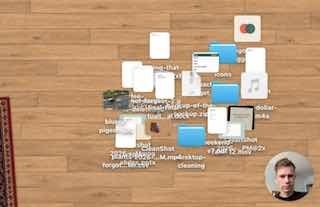
https://x.com/terkelg/status/2107540718461886464?s=20
Идеально
Идеально
❤
1
Пост от 30.09.2026 23:54
1
0
0
https://youtu.be/e1q-TuHdc4Y

Пост от 30.09.2026 01:13
55
0
2
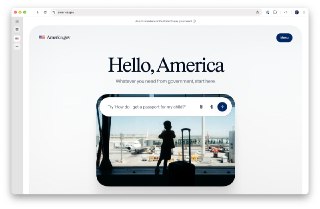
Популизм, но очень классный: https://america.gov/
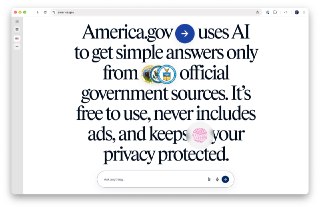
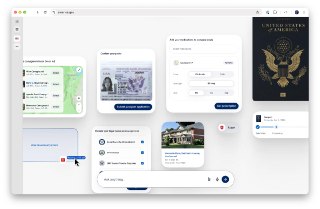

🔥
1