Не попадитесь на накрученные каналы! Узнайте, не накручивает ли канал просмотры или
подписчиков
Проверить канал на накрутку


Телеграм канал «English Language & Grammar»
English Language & Grammar
3.9K
47.9K
385
172
395.6K
A channel for all the English-learners around the World 🌎
Buy Ads: @CaptainJamesCook
Second channel: @french
Buy Ads: @CaptainJamesCook
Second channel: @french
Подписчики
Всего
92 893
Сегодня
+14
Просмотров на пост
Всего
3 476
ER
Общий
3.74%
Суточный
2.21%
Динамика публикаций

Telemetr - сервис глубокой аналитики
телеграм-каналов
телеграм-каналов

Получите подробную информацию о каждом канале
Отберите самые эффективные каналы для
рекламных размещений, по приросту подписчиков,
ER, количеству просмотров на пост и другим метрикам
рекламных размещений, по приросту подписчиков,
ER, количеству просмотров на пост и другим метрикам

Анализируйте рекламные посты
и креативы
и креативы
Узнайте какие посты лучше сработали,
а какие хуже, даже если их давно удалили
а какие хуже, даже если их давно удалили

Оценивайте эффективность тематики и контента
Узнайте, какую тематику лучше не рекламировать
на канале, а какая зайдет на ура
на канале, а какая зайдет на ура
Показано 7 из 3 916 постов
Смотреть все посты
Пост от 17.10.2026 11:57
287
0
5
🏴 Our channels
✍
4
Пост от 17.10.2026 11:57
279
0
2
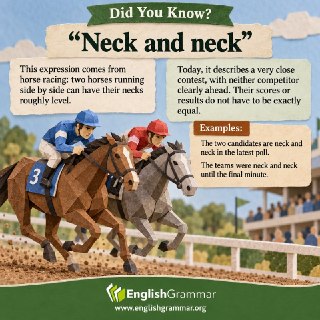
The origin of “neck and neck”
🏴 Our channels
🏴 Our channels
❤
1
✍
1
Пост от 16.10.2026 14:08
1 848
0
15
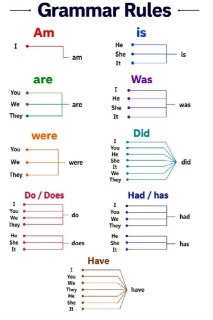
Grammar Rules.
🏴 Our channels
🏴 Our channels
👍
14
❤
4
🤷♂
1
Пост от 16.10.2026 14:08
1 788
2
15
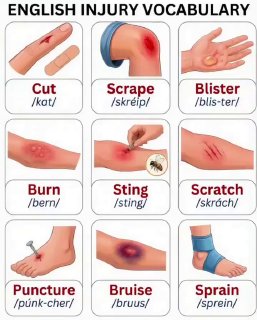
English injuries vocabulary
🏴 Our channels
🏴 Our channels
👍
15
❤
4
Пост от 15.10.2026 10:31
2 051
2
14
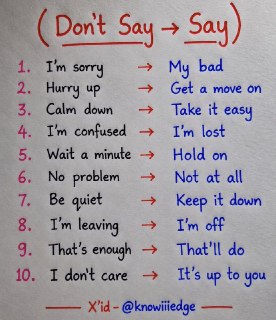
Useful Phrases | Don’t Say → Say
1. I’m sorry → My bad
2. Hurry up → Get a move on
3. Calm down → Take it easy
4. I’m confused → I’m lost
5. Wait a minute → Hold on
6. No problem → Not at all
7. Be quiet → Keep it down
8. I’m leaving → I’m off
9. That’s enough → That’ll do
10. I don’t care → It’s up to you
🏴 Our channels
1. I’m sorry → My bad
2. Hurry up → Get a move on
3. Calm down → Take it easy
4. I’m confused → I’m lost
5. Wait a minute → Hold on
6. No problem → Not at all
7. Be quiet → Keep it down
8. I’m leaving → I’m off
9. That’s enough → That’ll do
10. I don’t care → It’s up to you
🏴 Our channels
❤
19
👍
4
⚡
2
🆒
1
Пост от 15.10.2026 10:31
1 902
2
8
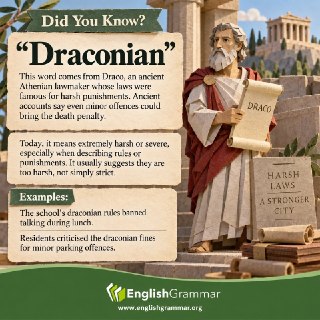
Why “draconian” is named after Draco
🏴 Our channels
🏴 Our channels
👍
10
❤
3
⚡
1
🆒
1
Пост от 14.10.2026 13:20
1 838
2
9
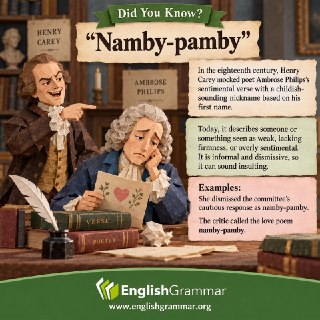
The origin of “namby-pamby”
🏴 Our channels
🏴 Our channels
❤
14
👍
6