Не попадитесь на накрученные каналы! Узнайте, не накручивает ли канал просмотры или
подписчиков
Проверить канал на накрутку


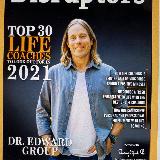
Телеграм канал «Dr. Edward Group, DC»
Подписчики
Всего
19 614
Сегодня
-3
Просмотров на пост
Всего
1 304
ER
Общий
6.65%
Суточный
4.7%
Динамика публикаций

Telemetr - сервис глубокой аналитики
телеграм-каналов
телеграм-каналов

Получите подробную информацию о каждом канале
Отберите самые эффективные каналы для
рекламных размещений, по приросту подписчиков,
ER, количеству просмотров на пост и другим метрикам
рекламных размещений, по приросту подписчиков,
ER, количеству просмотров на пост и другим метрикам

Анализируйте рекламные посты
и креативы
и креативы
Узнайте какие посты лучше сработали,
а какие хуже, даже если их давно удалили
а какие хуже, даже если их давно удалили

Оценивайте эффективность тематики и контента
Узнайте, какую тематику лучше не рекламировать
на канале, а какая зайдет на ура
на канале, а какая зайдет на ура
Показано 7 из 7 923 постов
Смотреть все посты
Пост от 24.10.2026 23:22
118
0
5
A diagnosis can change the way a woman sees her body in an instant. And too often, fear takes over before she has the chance to fully understand what the diagnosis actually means. ❤️
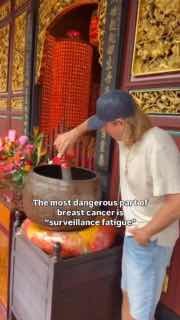
In this powerful moment from our Hormone & Menopause Masterclass, Dr. Christiane Northrup explains why findings such as ductal carcinoma in situ, often called stage 0 breast cancer, need to be discussed with far more context, clarity, and compassion.
Her message is not to ignore a diagnosis. It is to ask better questions.
Women deserve informed conversations—not decisions driven only by panic, exhaustion, or fear.
Inside the full masterclass, Dr. Northrup and I go deeper into women’s health, hormones, menopause, stress, the nervous system, emotional healing, and the ancient practices that can help women better understand their bodies through this transition.
Here’s a link for the replay: https://ghi.ac/Secrets-Hormone-Balance-Dr-Northrup
It’s FREE to watch through October 31.
Knowledge gives you the confidence to slow down, ask questions, and make decisions from a place of understanding.
Blessings and ❤️,
Dr. Edward Group, DC
Join @DrGroupOfficial
In this powerful moment from our Hormone & Menopause Masterclass, Dr. Christiane Northrup explains why findings such as ductal carcinoma in situ, often called stage 0 breast cancer, need to be discussed with far more context, clarity, and compassion.
Her message is not to ignore a diagnosis. It is to ask better questions.
Women deserve informed conversations—not decisions driven only by panic, exhaustion, or fear.
Inside the full masterclass, Dr. Northrup and I go deeper into women’s health, hormones, menopause, stress, the nervous system, emotional healing, and the ancient practices that can help women better understand their bodies through this transition.
Here’s a link for the replay: https://ghi.ac/Secrets-Hormone-Balance-Dr-Northrup
It’s FREE to watch through October 31.
Knowledge gives you the confidence to slow down, ask questions, and make decisions from a place of understanding.
Blessings and ❤️,
Dr. Edward Group, DC
Join @DrGroupOfficial
❤
3
Пост от 24.10.2026 23:21
78
0
2
David🥑Wolfe Linktree:
bit.ly/m/davidavocadowolfe
bit.ly/m/davidavocadowolfe
🙏
2
Пост от 24.10.2026 23:21
95
0
1
David🥑Wolfe Linktree:
bit.ly/m/davidavocadowolfe
bit.ly/m/davidavocadowolfe
❤
3
Пост от 24.10.2026 23:20
110
0
5
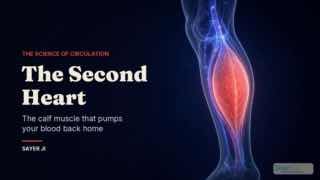
You have a "second heart," and it's in your calf. 🫀 Here's a 5-minute short for my most-read and liked Substack article of all time:
The soleus muscle pumps blood against gravity, and activating it while seated cut post-meal blood sugar rises by up to 52% in studies.
Full article: http://read.sayerji.com/the-second-heart-you-never-knew-you
Free newsletters:
http://read.sayerji.com
http://greenmedinfo.com/newsletter
The soleus muscle pumps blood against gravity, and activating it while seated cut post-meal blood sugar rises by up to 52% in studies.
Full article: http://read.sayerji.com/the-second-heart-you-never-knew-you
Free newsletters:
http://read.sayerji.com
http://greenmedinfo.com/newsletter
❤
2
Пост от 23.10.2026 16:32
202
0
9
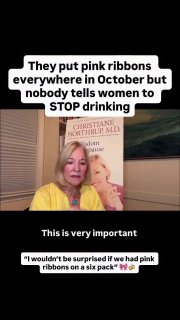
They’ll cover the entire month of October in pink ribbons. 🎀
But how often does anyone tell women to STOP DRINKING? 🚫🍷
Dr. Christiane Northrup said something during our Hormone Masterclass that every woman needs to hear:
🚨 When progesterone drops and estrogen becomes dominant, chronic stress can make the hormonal environment even more complicated.
Then add a couple glasses of wine every night.
Now your LIVER has too much work to do.
Your liver helps metabolize hormones like estrogen AND it has to process the alcohol you’re drinking.
Alcohol consumption is officially associated with increased breast cancer risk.
I’ve been saying for decades that we have built entire industries around managing disease but never talk about the environment that helped create it.
That is exactly why I sat down with my dear friend Dr. Christiane Northrup, M.D. for this conversation.
Here's the FREE Hormone Masterclass replay: https://ghi.ac/Secrets-Hormone-Balance-Dr-Northrup
Blessings and ❤️,
Dr. Edward Group, DC
But how often does anyone tell women to STOP DRINKING? 🚫🍷
Dr. Christiane Northrup said something during our Hormone Masterclass that every woman needs to hear:
🚨 When progesterone drops and estrogen becomes dominant, chronic stress can make the hormonal environment even more complicated.
Then add a couple glasses of wine every night.
Now your LIVER has too much work to do.
Your liver helps metabolize hormones like estrogen AND it has to process the alcohol you’re drinking.
Alcohol consumption is officially associated with increased breast cancer risk.
I’ve been saying for decades that we have built entire industries around managing disease but never talk about the environment that helped create it.
That is exactly why I sat down with my dear friend Dr. Christiane Northrup, M.D. for this conversation.
Here's the FREE Hormone Masterclass replay: https://ghi.ac/Secrets-Hormone-Balance-Dr-Northrup
Blessings and ❤️,
Dr. Edward Group, DC
❤🔥
1
Пост от 23.10.2026 16:29
163
0
2
Human biofield…
🤔
1
🙏
1
Пост от 23.10.2026 16:29
218
0
7
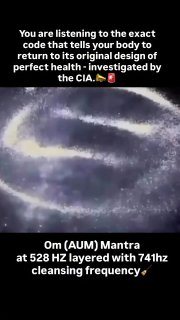
💗 FREQUENCY HEALING | THE SACRED POWER OF OM (A-U-M) 🕉️
Long before modern cymatics allowed us to visualize sound, the Shipibo-Konibo people of the Peruvian Amazon created sacred geometric Kené patterns connected to songs, plants, healing ceremonies, and spiritual traditions.
Sound is vibration, and vibration influences how we experience our bodies, minds, and environment. 🎶〰️
🕉️ OM (A-U-M) — THE SACRED SOUND OF THE UNIVERSE
In ancient Hindu traditions, OM represents the primordial sound of existence, creation, and ultimate reality.
〰️ A (AH) — Creation, beginnings, and the waking state.
〰️ U (OO) — Preservation, continuation, and the dream state.
〰️ M (MM) — Dissolution, transformation, and deep sleep.
✨ THE SILENCE AFTER OM Turiya, the fourth state of pure consciousness.
OM has no single literal English translation. Spiritually, it symbolizes the totality of existence and ultimate reality.
Think about what surrounds us daily: water, Wi-Fi, 5G, cell towers, medications, environmental toxins, stress, noise, and electromagnetic radiation.
Follow: Quantum Medicine✅️
Long before modern cymatics allowed us to visualize sound, the Shipibo-Konibo people of the Peruvian Amazon created sacred geometric Kené patterns connected to songs, plants, healing ceremonies, and spiritual traditions.
Sound is vibration, and vibration influences how we experience our bodies, minds, and environment. 🎶〰️
🕉️ OM (A-U-M) — THE SACRED SOUND OF THE UNIVERSE
In ancient Hindu traditions, OM represents the primordial sound of existence, creation, and ultimate reality.
〰️ A (AH) — Creation, beginnings, and the waking state.
〰️ U (OO) — Preservation, continuation, and the dream state.
〰️ M (MM) — Dissolution, transformation, and deep sleep.
✨ THE SILENCE AFTER OM Turiya, the fourth state of pure consciousness.
OM has no single literal English translation. Spiritually, it symbolizes the totality of existence and ultimate reality.
Think about what surrounds us daily: water, Wi-Fi, 5G, cell towers, medications, environmental toxins, stress, noise, and electromagnetic radiation.
Follow: Quantum Medicine✅️
❤
1