Не попадитесь на накрученные каналы! Узнайте, не накручивает ли канал просмотры или
подписчиков
Проверить канал на накрутку


Телеграм канал «BPSC Exam Hunter ( Official )»

BPSC Exam Hunter ( Official )
20.6K
2.3K
14
9
21.7K
Paid mains test series, Daily answer writing program, prelims test series :- WhatsApp on 9625626458
Our quiz channel :- @examhunterquiz
Join our YouTube Channel :- https://youtube.com/channel/UCzugLlj7SayxQwQjXmwwixg
Our quiz channel :- @examhunterquiz
Join our YouTube Channel :- https://youtube.com/channel/UCzugLlj7SayxQwQjXmwwixg
Подписчики
Всего
12 254
Сегодня
0
Просмотров на пост
Всего
1 045
ER
Общий
8.53%
Суточный
6.01%
Динамика публикаций

Telemetr - сервис глубокой аналитики
телеграм-каналов
телеграм-каналов

Получите подробную информацию о каждом канале
Отберите самые эффективные каналы для
рекламных размещений, по приросту подписчиков,
ER, количеству просмотров на пост и другим метрикам
рекламных размещений, по приросту подписчиков,
ER, количеству просмотров на пост и другим метрикам

Анализируйте рекламные посты
и креативы
и креативы
Узнайте какие посты лучше сработали,
а какие хуже, даже если их давно удалили
а какие хуже, даже если их давно удалили

Оценивайте эффективность тематики и контента
Узнайте, какую тематику лучше не рекламировать
на канале, а какая зайдет на ура
на канале, а какая зайдет на ура

Показано 7 из 20 560 постов
Смотреть все посты
Пост от 23.10.2026 10:44
233
0
0
Can you explain the phenomena of “fossilisation of farming” and “fuelisation of food” in India?
क्या आप भारत में “कृषि का जीवाश्मीकरण और “भोजन का ईंधनीकरण की घटनाओं को समझा सकते हैं?
Context - An article by Harish Damodaran in Today's edition of Indian Express
क्या आप भारत में “कृषि का जीवाश्मीकरण और “भोजन का ईंधनीकरण की घटनाओं को समझा सकते हैं?
Context - An article by Harish Damodaran in Today's edition of Indian Express
Пост от 23.10.2026 07:00
130
0
2
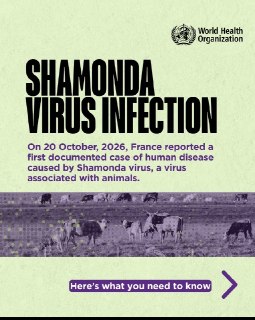
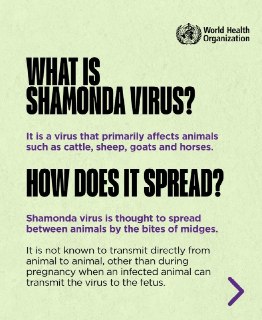
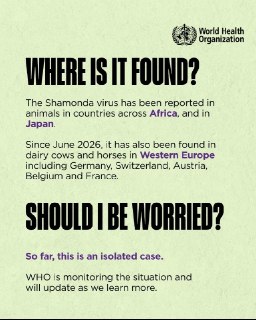
Shamonda Virus ( Very Important Current Affairs for all the upcoming exams)
✍️World Health Organisation (WHO) has reported the first ever documented human infection with the Shamonda virus in France.
✍️The virus was previously detected only in animals, including cattle, sheep, goats, and horses.
✍️विश्व स्वास्थ्य संगठन (WHO) ने फ्रांस में शमोंडा वायरस से मानव में संक्रमण का पहला प्रलेखित मामला सामने आने की जानकारी दी है।
✍️इस वायरस का पता पहले केवल जानवरों, जैसे मवेशियों, भेड़, बकरियों और घोड़ों में ही चला था।
✍️World Health Organisation (WHO) has reported the first ever documented human infection with the Shamonda virus in France.
✍️The virus was previously detected only in animals, including cattle, sheep, goats, and horses.
✍️विश्व स्वास्थ्य संगठन (WHO) ने फ्रांस में शमोंडा वायरस से मानव में संक्रमण का पहला प्रलेखित मामला सामने आने की जानकारी दी है।
✍️इस वायरस का पता पहले केवल जानवरों, जैसे मवेशियों, भेड़, बकरियों और घोड़ों में ही चला था।
❤
1
Пост от 22.10.2026 18:34
143
0
4
❤
1
Пост от 22.10.2026 18:28
161
0
4
❤
1
Пост от 22.10.2026 08:42
66
0
1
72nd BPSC Mains Test Series..22nd October se start ho raha hai
✏️ Tests Hindi and English Dono Medium me Hoga
✏️Sare tests ka aapko detailed evaluation diya jayega
✏️Sare Tests ka Quality Model Answers bhi diya jayega ( Sare latest data and trend ko include karke)
✏️BPSC ke Syllabus and PYQs ke basis par ek ek topics ko is Test Series me cover karaya jayega
✏️Is Test Series me 70th and 71st me jin pattern par questions puchhe gaye the uspe jyada focus rahega
✏️Sare topics ko jo Current me issues chal raha hai usse bhi link karke prepare karaya jayega(Jaise 71st BPSC Mains me questions puchha gaya hai)
✏️Kaisa bhi paper aye hum aapko Sare situations ke liye prepare karwayenye
✏️ Tests Hindi and English Dono Medium me Hoga
✏️Sare tests ka aapko detailed evaluation diya jayega
✏️Sare Tests ka Quality Model Answers bhi diya jayega ( Sare latest data and trend ko include karke)
✏️BPSC ke Syllabus and PYQs ke basis par ek ek topics ko is Test Series me cover karaya jayega
✏️Is Test Series me 70th and 71st me jin pattern par questions puchhe gaye the uspe jyada focus rahega
✏️Sare topics ko jo Current me issues chal raha hai usse bhi link karke prepare karaya jayega(Jaise 71st BPSC Mains me questions puchha gaya hai)
✏️Kaisa bhi paper aye hum aapko Sare situations ke liye prepare karwayenye

Пост от 22.10.2026 07:15
293
0
4
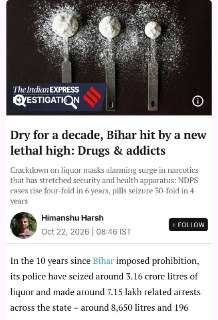
Bihar is facing an alarming situation that demands urgent and decisive action. If immediate corrective measures are not taken, the state could soon earn the disturbing label of “Udta Bihar.”
Do read this Investigative Report of the Indian Express published in Today's Newspaper
Do read this Investigative Report of the Indian Express published in Today's Newspaper
👍
3
Пост от 21.10.2026 17:59
64
0
3
❤
1