Не попадитесь на накрученные каналы! Узнайте, не накручивает ли канал просмотры или
подписчиков
Проверить канал на накрутку


Телеграм канал «Catherine Edwards Life»

Подписчики
Всего
4 621
Сегодня
-1
Просмотров на пост
Всего
153
ER
Общий
3.32%
Суточный
2.83%
Динамика публикаций

Telemetr - сервис глубокой аналитики
телеграм-каналов
телеграм-каналов

Получите подробную информацию о каждом канале
Отберите самые эффективные каналы для
рекламных размещений, по приросту подписчиков,
ER, количеству просмотров на пост и другим метрикам
рекламных размещений, по приросту подписчиков,
ER, количеству просмотров на пост и другим метрикам

Анализируйте рекламные посты
и креативы
и креативы
Узнайте какие посты лучше сработали,
а какие хуже, даже если их давно удалили
а какие хуже, даже если их давно удалили

Оценивайте эффективность тематики и контента
Узнайте, какую тематику лучше не рекламировать
на канале, а какая зайдет на ура
на канале, а какая зайдет на ура
Показано 7 из 4 598 постов
Смотреть все посты
Пост от 23.10.2026 12:14
1
0
0
20% off https://www.catherineedwards.life/product/naturaw-dog-food-real-food-for-real-change/
My dogs love their Naturaw so much 😍
My dogs love their Naturaw so much 😍

Пост от 22.10.2026 13:44
75
2
0
THREE CLIENTS. TWO SPECIES. ONE VERY DIFFERENT APPROACH. 🐴🐕🧠
The word holistic gets thrown around so much these days that I'm not sure anyone knows what it means anymore!
So here's a little glimpse into my working day.
Before lunchtime I'd already worked with three very different clients:
🧠 Human behaviour: Recognising subconscious programmes, emotional triggers and learning to choose a different response rather than running the same old patterns.
🐕 Animal health: Red light therapy, essential oils, physical treatment, nutrition and more. With one rather wonderful observation from the dog's owner: "I'm not sure whether I needed this appointment more than my dog did!"
🌍 Mind-body connection: Working with someone on the other side of the world, exploring brain patterns, trauma responses, somatic exercises and fascia.
Three very different consultations. One common thread.
Looking beyond the obvious to understand what's actually going on.
It's why I love what I do. Humans, animals, behaviour, health: they're far more connected than most people realise.
I also really want people to understand:
You don't need to know what kind of help you need before you reach out.
You don't need to arrive with a diagnosis, a solution or even the right questions.
Sometimes knowing that something needs to change is enough to start a conversation.
And somewhere in between all of that, I managed to check on my two rather soggy ponies. Welcome to autumn in Britain! 😂🐴
If you're wondering whether I could help you, your animal, or both, send me a message or have a look at www.catherineedwards.life.
You might be surprised at what we can explore together. Did you also know I have a great Youtube with many different playlists?
#BehaviourChange #HolisticHealth #AnimalWellbeing #HumanBehaviour #CatherineEdwards
The word holistic gets thrown around so much these days that I'm not sure anyone knows what it means anymore!
So here's a little glimpse into my working day.
Before lunchtime I'd already worked with three very different clients:
🧠 Human behaviour: Recognising subconscious programmes, emotional triggers and learning to choose a different response rather than running the same old patterns.
🐕 Animal health: Red light therapy, essential oils, physical treatment, nutrition and more. With one rather wonderful observation from the dog's owner: "I'm not sure whether I needed this appointment more than my dog did!"
🌍 Mind-body connection: Working with someone on the other side of the world, exploring brain patterns, trauma responses, somatic exercises and fascia.
Three very different consultations. One common thread.
Looking beyond the obvious to understand what's actually going on.
It's why I love what I do. Humans, animals, behaviour, health: they're far more connected than most people realise.
I also really want people to understand:
You don't need to know what kind of help you need before you reach out.
You don't need to arrive with a diagnosis, a solution or even the right questions.
Sometimes knowing that something needs to change is enough to start a conversation.
And somewhere in between all of that, I managed to check on my two rather soggy ponies. Welcome to autumn in Britain! 😂🐴
If you're wondering whether I could help you, your animal, or both, send me a message or have a look at www.catherineedwards.life.
You might be surprised at what we can explore together. Did you also know I have a great Youtube with many different playlists?
#BehaviourChange #HolisticHealth #AnimalWellbeing #HumanBehaviour #CatherineEdwards
Пост от 22.10.2026 13:44
20
0
1
Видео/гифка
Пост от 22.10.2026 11:45
4
0
1
Gratitude is everything 😍. I never stop being grateful for where I live and how beautiful nature is. And how amazing it is that all my animals make sure I spend a huge amount of my time outside 🩵


❤
1
Пост от 21.10.2026 13:22
17
0
0
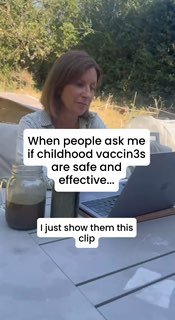
QUESTIONING IS NOT ANTI-SCIENCE. IT’S HOW SCIENCE WORKS.
Whether we’re making decisions about our own health, our children or our animals, vaccine safety deserves serious attention.
There are some questions I believe EVERYONE should feel comfortable asking.
1. What does “safe and effective” actually mean? Safe for whom? Effective against what? Over what period? And what risks have been identified?
2. How was this particular vaccine tested? How many people or animals participated? What was the comparison group? How long were they followed? And what questions remain unanswered?
3. Where does the evidence end and the marketing begin?
4. Where is the full list of ingredients? 5. check out the side effects carefully - note side effects are known effects.
We hear phrases like “trust the science” repeated endlessly. Yet science is a process of investigation, testing, challenge and revision. It should never become a slogan used to shut down legitimate questions.
This is where understanding PROPAGANDA, PERSUASION & BEHAVIOURAL CONDITIONING becomes so important.
Repetition, appeals to authority, emotional messaging and selective presentation of information can all influence what we believe, often without us even realising it.
Learning to recognise these techniques is a valuable skill, whatever position you hold on vaccination.
In this clip, Del Bigtree raises questions about vaccine safety. Treat it as an invitation to investigate the evidence for yourself.
I’m not here to tell you what to think or what medical decisions to make.
I’m here to encourage you to ask better questions, examine the evidence and make informed decisions for yourself and those in your care.
Your health. Your family. Your animals. Your decisions.
Question more. Learn more. Live better. The most important thing you can learn isn’t WHAT to think. It’s how to recognise when someone else is trying to do your thinking for you.
Video credits: @kolbyourada 👏👏
Whether we’re making decisions about our own health, our children or our animals, vaccine safety deserves serious attention.
There are some questions I believe EVERYONE should feel comfortable asking.
1. What does “safe and effective” actually mean? Safe for whom? Effective against what? Over what period? And what risks have been identified?
2. How was this particular vaccine tested? How many people or animals participated? What was the comparison group? How long were they followed? And what questions remain unanswered?
3. Where does the evidence end and the marketing begin?
4. Where is the full list of ingredients? 5. check out the side effects carefully - note side effects are known effects.
We hear phrases like “trust the science” repeated endlessly. Yet science is a process of investigation, testing, challenge and revision. It should never become a slogan used to shut down legitimate questions.
This is where understanding PROPAGANDA, PERSUASION & BEHAVIOURAL CONDITIONING becomes so important.
Repetition, appeals to authority, emotional messaging and selective presentation of information can all influence what we believe, often without us even realising it.
Learning to recognise these techniques is a valuable skill, whatever position you hold on vaccination.
In this clip, Del Bigtree raises questions about vaccine safety. Treat it as an invitation to investigate the evidence for yourself.
I’m not here to tell you what to think or what medical decisions to make.
I’m here to encourage you to ask better questions, examine the evidence and make informed decisions for yourself and those in your care.
Your health. Your family. Your animals. Your decisions.
Question more. Learn more. Live better. The most important thing you can learn isn’t WHAT to think. It’s how to recognise when someone else is trying to do your thinking for you.
Video credits: @kolbyourada 👏👏
Пост от 21.10.2026 13:22
4
0
1
Пост от 21.10.2026 12:09
42
0
0
WHO ARE YOU LISTENING TO AND WHY?
There’s no shortage of people telling us how to manifest, reprogramme our minds, overcome self-sabotage or create the life we want.
And some of them are incredibly good at explaining it.
Here’s what I think we should be asking more often:
Have they actually DONE it?
Have they applied what they’re teaching? Changed their own patterns? Made difficult decisions? Taken action when it would have been easier to stay comfortable?
Can they demonstrate the principles in their own lives, rather than simply repeat what they’ve learnt?
Knowledge matters. Understanding matters. And we can absolutely learn from people who are still figuring things out.
But there’s a world of difference between KNOWING what to do and having the experience of actually DOING IT.
It’s time to pay MUCH more attention to WHO you’re listening to and WHY.
Your time and attention are two of your most valuable assets. Every person you follow, every video you watch and every message you absorb is competing for both.
So choose wisely.
Before giving someone your attention, ask yourself: Are they simply good at talking about the life you want, or have they actually demonstrated how to LIVE it?
Question more. Learn more. Live better.
#BehaviourChange #SelfSabotage #PersonalFreedom #Mindset #CriticalThinking
There’s no shortage of people telling us how to manifest, reprogramme our minds, overcome self-sabotage or create the life we want.
And some of them are incredibly good at explaining it.
Here’s what I think we should be asking more often:
Have they actually DONE it?
Have they applied what they’re teaching? Changed their own patterns? Made difficult decisions? Taken action when it would have been easier to stay comfortable?
Can they demonstrate the principles in their own lives, rather than simply repeat what they’ve learnt?
Knowledge matters. Understanding matters. And we can absolutely learn from people who are still figuring things out.
But there’s a world of difference between KNOWING what to do and having the experience of actually DOING IT.
It’s time to pay MUCH more attention to WHO you’re listening to and WHY.
Your time and attention are two of your most valuable assets. Every person you follow, every video you watch and every message you absorb is competing for both.
So choose wisely.
Before giving someone your attention, ask yourself: Are they simply good at talking about the life you want, or have they actually demonstrated how to LIVE it?
Question more. Learn more. Live better.
#BehaviourChange #SelfSabotage #PersonalFreedom #Mindset #CriticalThinking